
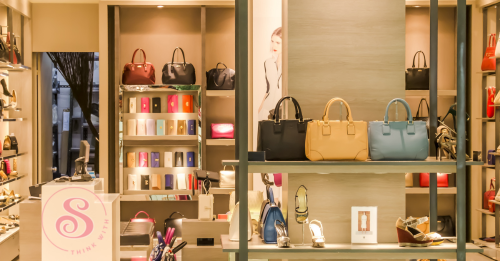
Luxury. The word alone conjures images of shimmering gold, handcrafted goods, exclusive experiences, and a lifestyle steeped in elegance. But luxury is more than material opulence—it’s a complex, multifaceted concept that sits at the intersection of psychology, culture, and commerce. In this article, we’ll explore what luxury truly means, why it evokes deep emotional satisfaction, and how it drives a billion-dollar industry.
What Is Luxury?
Luxury, at its core, is about rarity, refinement, and recognition. It’s not merely expensive—it’s something that offers more than utility. Luxury can be a handcrafted leather bag, a bespoke suit, a Michelin-starred meal, or even a serene stay at a remote island resort. Its value lies in craftsmanship, exclusivity, heritage, and emotional impact.
Philosophically, luxury represents a departure from the everyday. It’s about access to the extraordinary. Unlike mass-market goods that focus on function, luxury goods and experiences carry symbolic meaning—they represent success, aspiration, individuality, or identity.
There are also evolving forms of luxury:
- Traditional Luxury: Physical, tangible goods like watches, jewelry, and cars.
- Experiential Luxury: Unique, curated experiences such as wellness retreats or private art tours.
- Digital Luxury: NFTs, virtual fashion, and personalized digital assets in the metaverse.
Why Luxury Feels So Good
Luxury is not just a physical indulgence—it is a deeply emotional and psychological experience. When we interact with luxury products or services, we engage with a layered narrative of aspiration, identity, and human desire. Here’s a closer look at why luxury feels so rewarding:
Status and Identity
Luxury is often an external reflection of internal self-worth. High-end goods serve as powerful symbols of success, achievement, and distinction. For many, owning a luxury item affirms their progress in life or marks a milestone—be it a promotion, a special occasion, or a long-anticipated reward. Psychologically, it satisfies the need for validation, both internally (self-esteem) and externally (recognition from others).
In social settings, luxury can communicate taste, discernment, and cultural capital. A tailored suit, a luxury handbag, or an exclusive watch speaks a language of prestige that others instinctively recognize—even without words. The brand you wear or the car you drive can project your values, lifestyle, and even intellect. This connection between possessions and self-identity makes luxury not just about the object but about how it reinforces who you believe you are—or want to become.
See status product: Seiko Stainless Steel Analogue Blue Dial
Also read: A glimpse into luxury
Sensory Pleasure
Luxury delights through multisensory engagement. Every element—from the texture of a leather seat in a luxury car to the scent of a high-end perfume—is meticulously crafted to deliver heightened sensory satisfaction. These elements combine to create an immersive experience that goes far beyond function.
The feel of handwoven silk, the precision of a Swiss watch mechanism, the satisfying weight of a crystal wine glass—each touchpoint is designed to trigger a sense of pleasure and exclusivity. The packaging alone of luxury items is often elegant and tactile, making the unboxing a ritual. These experiences elevate mood, induce relaxation, and provide a type of joy that is both immediate and memorable. In this way, luxury becomes a source of emotional nourishment, often associated with self-care, indulgence, and reward.
Super sensory pleasure product
Also read: The luxury strategy
Exclusivity and Rarity
Human psychology places a high value on scarcity. When something is perceived as rare or exclusive, it automatically becomes more desirable. This principle, known as the “scarcity effect,” is deeply embedded in how we make choices. Luxury brands capitalize on this by producing limited-edition items, using rare materials, or offering experiences that only a few can access.
The exclusivity of a luxury item makes it feel more like a personal achievement than a commercial transaction. Whether it’s a couture dress only a handful of people own or a private dining experience curated for a select few, the sense of being “one of the few” is intoxicating. It provides a psychological high—comparable to winning or accomplishing something remarkable. This emotional response transforms luxury from a commodity into a status symbol, reinforcing the owner’s sense of uniqueness and success.
Emotional Connection
Luxury brands often invest decades, even centuries, into building heritage, craftsmanship, and storytelling. When you purchase a luxury product, you’re not just buying a thing—you’re buying a piece of a legacy. Whether it’s the romantic history of a jewelry house, the artisanal process behind a bespoke suit, or the innovation behind a luxury tech gadget, these stories create a powerful emotional connection between the consumer and the brand.
This connection fosters trust, admiration, and loyalty. Consumers feel emotionally aligned with the brand’s values and aesthetics. Over time, this bond deepens, and purchasing decisions become less about necessity and more about emotional resonance. It’s why some people will buy the same brand of watch for generations or why others feel a sense of pride in being a “Chanel woman” or a “Ferrari man.” The luxury brand becomes an extension of the self, adding meaning and emotional depth to the ownership experience.
The Business of Luxury
The luxury industry is one of the most resilient and dynamic sectors globally. Here’s how it thrives:
- Brand Equity and Perception Management
Luxury brands invest heavily in brand image, storytelling, and exclusivity. From heritage to celebrity endorsements, everything is curated to reinforce the aura of luxury. - Scarcity Marketing
Limited editions, waitlists, and seasonal releases create a sense of urgency. Scarcity not only increases desire but also drives higher margins. - Global Aspirations
Luxury consumption is now a global phenomenon. As emerging markets grow wealthier, aspirational buyers seek global brands to express identity and ambition—especially in China, India, and the Middle East. - Premium Pricing and High Margins
Luxury is not price-sensitive in the traditional sense. In fact, higher prices often enhance a product’s desirability. Margins are bolstered by branding, not just quality. - Digital Reinvention
Though traditionally rooted in exclusivity, luxury is embracing digital. From online flagship stores to AI-enabled personalization, luxury is reaching consumers through immersive tech without diluting its essence.
Read more about it: The Indian luxury bazaar
Challenges and the Future of Luxury
Today’s luxury market faces unique challenges:
- Sustainability: Consumers, especially Gen Z, demand ethical sourcing and environmental responsibility.
- Authenticity: In the age of mass influencers and replicas, staying authentic is harder but crucial.
- Inclusivity vs. Exclusivity: How do luxury brands grow without diluting their brand?
The future will see a shift toward “quiet luxury”—subtle, quality-driven goods that speak to personal satisfaction rather than public status. Experiences, sustainability, and tech integration will dominate the next chapter of luxury.
Also read: Selling luxury
Conclusion
Luxury is not just about indulgence—it’s a statement, an emotion, and a business strategy. Whether you’re a consumer finding joy in the extraordinary or a brand crafting a legacy of desirability, luxury continues to shape identities, economies, and dreams. In a world that’s increasingly fast, loud, and mass-produced, luxury remains a quiet, powerful symbol of the exceptional.
Suggested readings: