
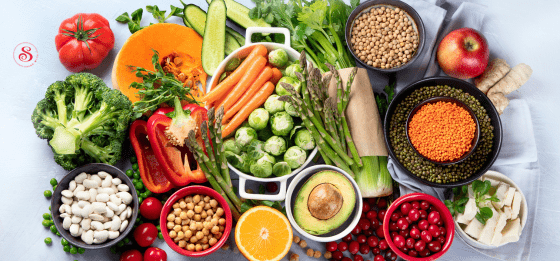
Let’s get one thing straight—being on a diet doesn’t mean eating tiny portions of boiled food and feeling miserable all day. In fact, a diet simply means the food you eat every day. And when that food is balanced—you’re not depriving yourself, you’re actually nourishing your body. So yes, I’m on a diet. A delicious, fulfilling, energy-boosting, balanced diet. Want to join?
Diet Is Not a Punishment—It’s a Lifestyle
The word “diet” has gotten a bad reputation. People associate it with restrictions, weight loss challenges, complicated food charts, and sometimes even guilt. But diet isn’t something temporary you do to lose 5 kilos before a wedding. It’s your everyday meal pattern. A balanced diet isn’t about cutting out rice, sugar, or oil completely. It’s about giving your body everything it needs in the right proportion—carbs, proteins, fats, fiber, vitamins, and minerals.
So instead of asking someone “Are you on a diet?” in that awkward tone, try saying, “Are you eating balanced meals?” Because if someone is nourishing themselves with healthy, regular food, that is a diet. The best one.
NOTE: It is important to track your body to be aware of changes; it helps you to stay true to your fitness goals.
Bluetooth BMI Weight Machine for Body Weight, Digital Body Fat Analyzer Machine
What Does Balanced Diet Really Mean?
A balanced diet gives your body enough fuel, keeps your organs happy, supports your immunity, helps with focus and energy, and even improves your mood. It’s not one-size-fits-all. But here are the basics:
- Carbohydrates: These are your body’s energy source. Think whole grains, fruits, vegetables, and legumes.
- Proteins: They build and repair. Include lentils, dairy (for vegetarians), tofu, soy, beans, peas, and nuts/seeds (if not allergic).
- Fats: Yes, your body needs good fats! Use healthy oils like olive oil, eat avocados (if available), walnuts, seeds, and even some coconut.
- Fiber: Found in fruits, veggies, and whole grains, fiber keeps your gut healthy.
- Vitamins & Minerals: These are the small but mighty nutrients found in colorful vegetables, fruits, herbs, and whole foods.
- Water: The forgotten hero. Staying hydrated helps your body absorb nutrients and stay energized.
A good plate should ideally include a portion of carbohydrates (like millet roti or sweet potatoes), some protein (like moong dal or tofu), vegetables of different colors, and a little fat (like olive oil tadka or ground coconut).
Book reading suggested: Women and The Weight Loss Tamasha
Wait, I’m Vegan/Vegetarian—Can I Still Eat Balanced?
Absolutely! A balanced diet can be completely plant-based. You don’t need meat or eggs to stay healthy. What you do need is variety and mindful planning.
For vegetarians, including dairy can be a good protein source (curd, paneer, buttermilk). But if you’re vegan or dairy-free, don’t worry—there are plenty of plant-based options:
- Legumes: Chickpeas, black beans, rajma, moong, chana dal—all full of protein and fiber.
- Tofu and Tempeh: Great substitutes for paneer, and rich in protein.
- Soy products: Soy milk, soy chunks—great for strength and satiety.
- Whole grains: Bajra, ragi, jowar, amaranth—all loaded with nutrients.
- Vegetables: Leafy greens, pumpkin, broccoli, beets, and carrots are vitamin powerhouses.
- Healthy fats: Olive oil, pumpkin seeds, walnuts, coconut (if it suits you) help absorb fat-soluble vitamins like A, D, E, and K.
- Fortified foods: Many plant milks and cereals are now fortified with Vitamin B12 and D, which vegans especially need.
The key for vegans and vegetarians is to combine foods well. For example, pairing dal with rice or roti gives you all essential amino acids. Or mixing hummus with whole grain crackers, or tofu with stir-fried veggies.
But How Do I Know If I’m Eating Balanced?
Good question! Here are some signs your diet is working for you:
- You feel full but not heavy after meals
- You don’t feel constantly tired or hungry
- Your digestion is regular and comfortable
- Your skin, hair, and mood feel steady
- You’re able to focus and sleep better
On the flip side, if you feel bloated, weak, irritable, or constantly low on energy, your meals might be missing something essential. Maybe you’re skipping protein. Maybe you’re cutting carbs too much. Or maybe you need more fiber or water.
Building a Balanced Plate (Without the Fuss)
You don’t need fancy meal plans. Just look at your plate like a clock:
- Half the plate: Colorful veggies (cooked or raw)
- One quarter: Whole grains or healthy carbs (like millet, potato, rice)
- One quarter: Protein source (dal, tofu, chana, soy, etc.)
- A spoon of healthy fat: Olive oil, coconut chutney, ground nuts
- A glass of water or buttermilk (if not allergic or vegan)
You can apply this rule to Indian thalis, buddha bowls, or even simple khichdi. Add fruit or salad to your breakfast, munch on roasted chana or fruit instead of processed snacks, and switch to herbal teas or warm water between meals.
Suggested reading: Magic Weight Loss Pill-62 lifestyle changes
Make It a Lifestyle, Not a Project
The most successful “diets” are the ones that don’t feel like diets. They’re just everyday habits that nourish your body and make you feel good. You don’t need to be perfect. You just need to be consistent.
If you love aloo paratha, make it with whole wheat or millet flour, add grated veggies, and pair it with curd or tofu instead of pickle. If you crave dessert, have jaggery-sweetened halwa with nuts once a week. A balanced lifestyle allows for joy, satisfaction, and tradition.
Final Thought: Let’s Redefine Diet
Let’s stop thinking of diet as punishment. Let’s stop the cycle of crash diets, cheat days, guilt eating, and food fads. Let’s bring it back to real food—fresh, whole, diverse, and fulfilling.
A balanced diet isn’t something you start and stop. It’s how you live. It’s your relationship with your food, your body, and your energy. It’s your way of telling yourself, “I deserve to feel good every single day.”
So yes, I’m on a diet. A balanced one. And I’m proud of it.
Also read: Three Behavioural Changes for Sustainable Fat Loss